
Maintaining relationships: Information for adoptive families
Resources to help adoptive parents maintain relationships from Adoption England
The Adoption England Team, in collaboration with the Research Centre for Children and Families (RCCF) at the University of Sydney, has developed a series of resources to support adoptive parents in helping their children maintain relationships with people who were important to them before adoption.
These resources are designed to:
- Encourage safe and meaningful connections with birth relatives
- Support children’s emotional wellbeing and identity development
- Help adoptive parents navigate the complexities of staying in touch
- Promote openness, empathy, and trust within adoptive families
Whether through letters, meet-ups, or other forms of contact, these tools offer practical guidance and emotional support to help adoptive families build and sustain relationships that matter to their child.
Resources - guides from Adoption England
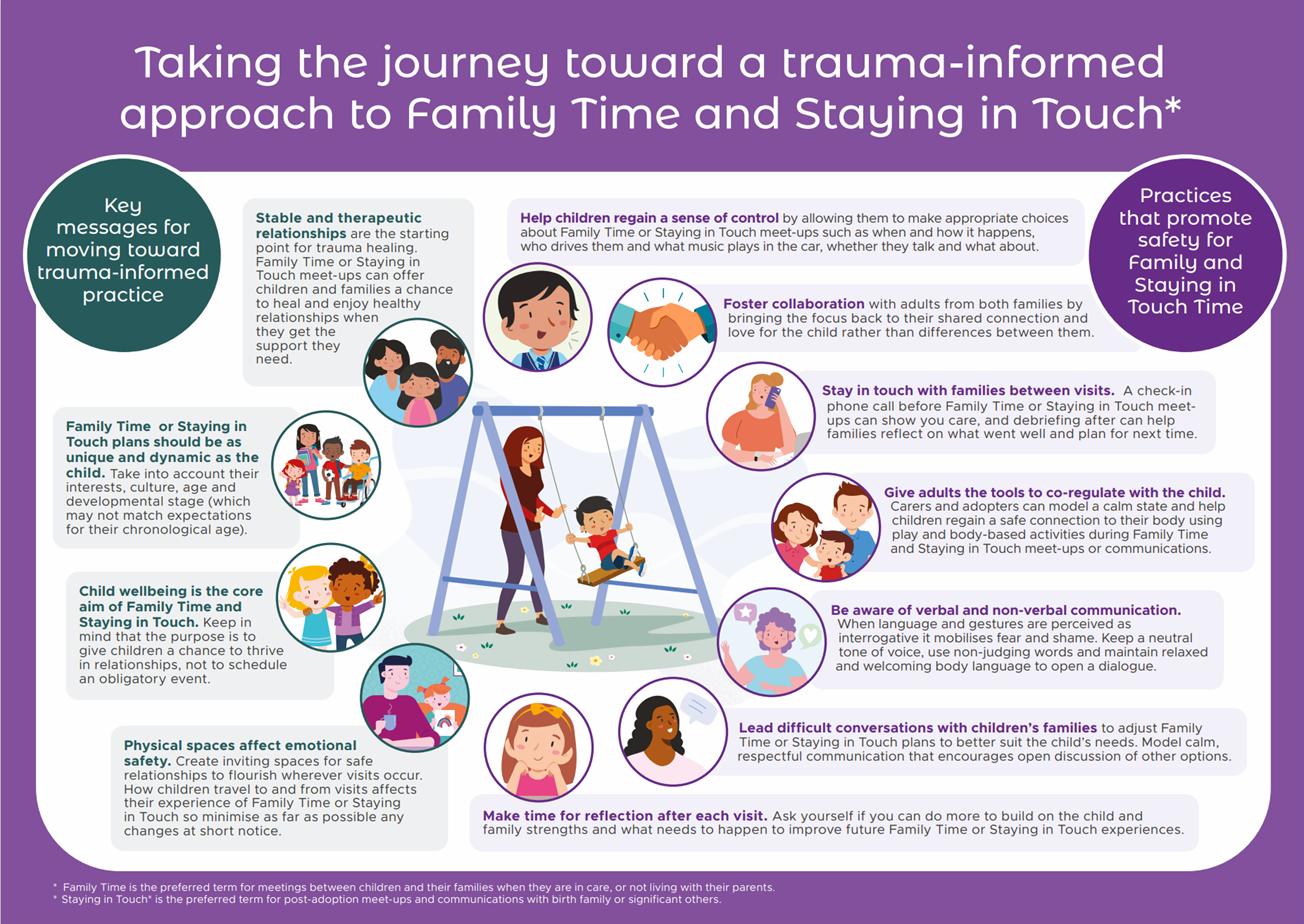
Taking the journey toward a trauma-informed approach to family time and staying in touch
Maintaining relationships with people who are important to adopted children can be deeply beneficial for their mental health, emotional wellbeing, and sense of identity. However, these connections, whether through letters, meet-ups, or other forms of contact, can sometimes trigger trauma responses or behaviours that may be unexpected or difficult to manage.
This two-page guide offers practical and compassionate advice to help adoptive families support their children in navigating these relationships in a trauma-informed way. It includes:
- Guidance on recognising and responding to trauma-related behaviours
- Tips for creating emotionally safe and supportive contact experiences
- Ways to help children feel understood, regulated, and connected
- Support for adoptive parents in managing their own emotional responses
By approaching family time and staying in touch with empathy, curiosity, and sensitivity, adoptive families can help children feel safe enough to explore their story and build meaningful relationships.
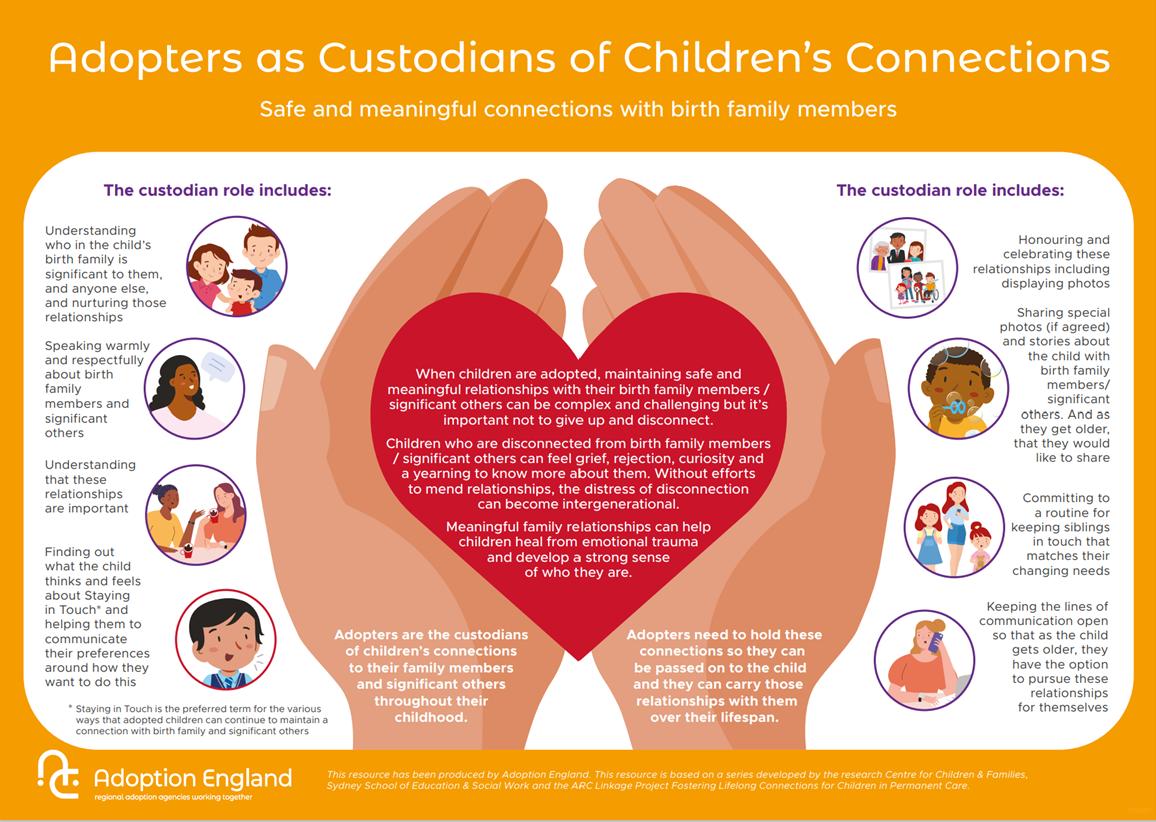
Adopters as custodians of children’s connections
This resource offers guidance for adoptive parents on how to help their children build and maintain safe, meaningful connections with people who were important to them before adoption.
Children who have experienced early separation or trauma often benefit from relationships that help them feel loved, understood, and connected to their life story. When nurtured with care, these relationships can support healing and help children develop a stronger sense of identity.
As custodians of these connections, adoptive parents play a vital role in:
- Supporting their child’s emotional wellbeing
- Encouraging openness and trust
- Helping their child make sense of their past in a safe and supported way
This guide provides practical advice and emotional support to help adoptive families navigate this journey with empathy, curiosity, and confidence.
Adopters as custodians of children’s connections (PDF, 3 MB).
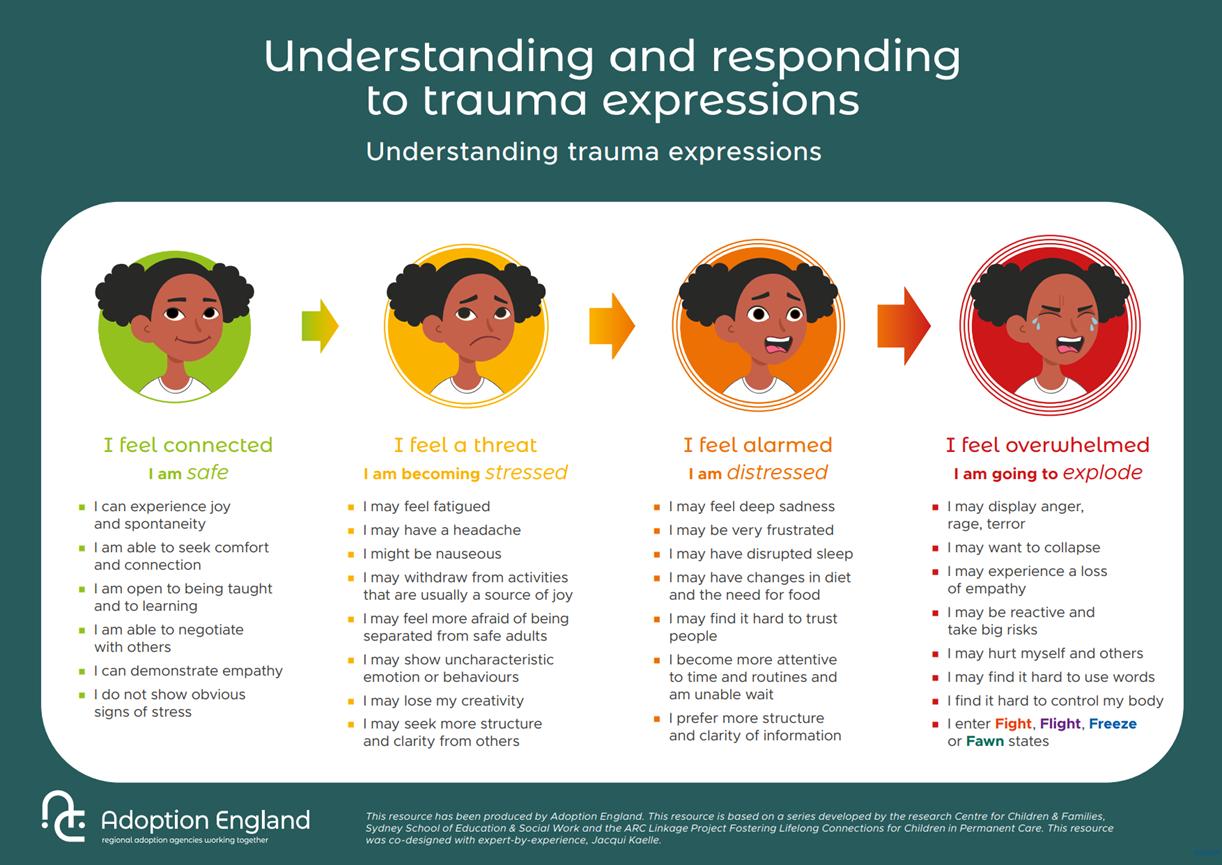
Understanding and responding to trauma expressions in maintaining relationships
While maintaining relationships with birth relatives is often in the long-term best interests of adopted children, it can sometimes bring up trauma responses or difficult emotions in the moment. These reactions may be unexpected and can be challenging for both children and their adoptive families.
This two-page guide helps adoptive parents:
- Recognise signs of trauma expressions, such as withdrawal, anger, anxiety, or confusion
- Understand why these responses may occur, especially around contact with birth relatives
- Support their child’s nervous system, using calming strategies and connection-based approaches
- Respond with empathy and curiosity, rather than fear or frustration
By approaching these moments with a trauma-informed mindset, adoptive parents can help their children feel safe, understood, and supported, even during emotionally complex experiences.
Understanding and responding to trauma expressions in maintaining relationships (PDF, 88 KB)
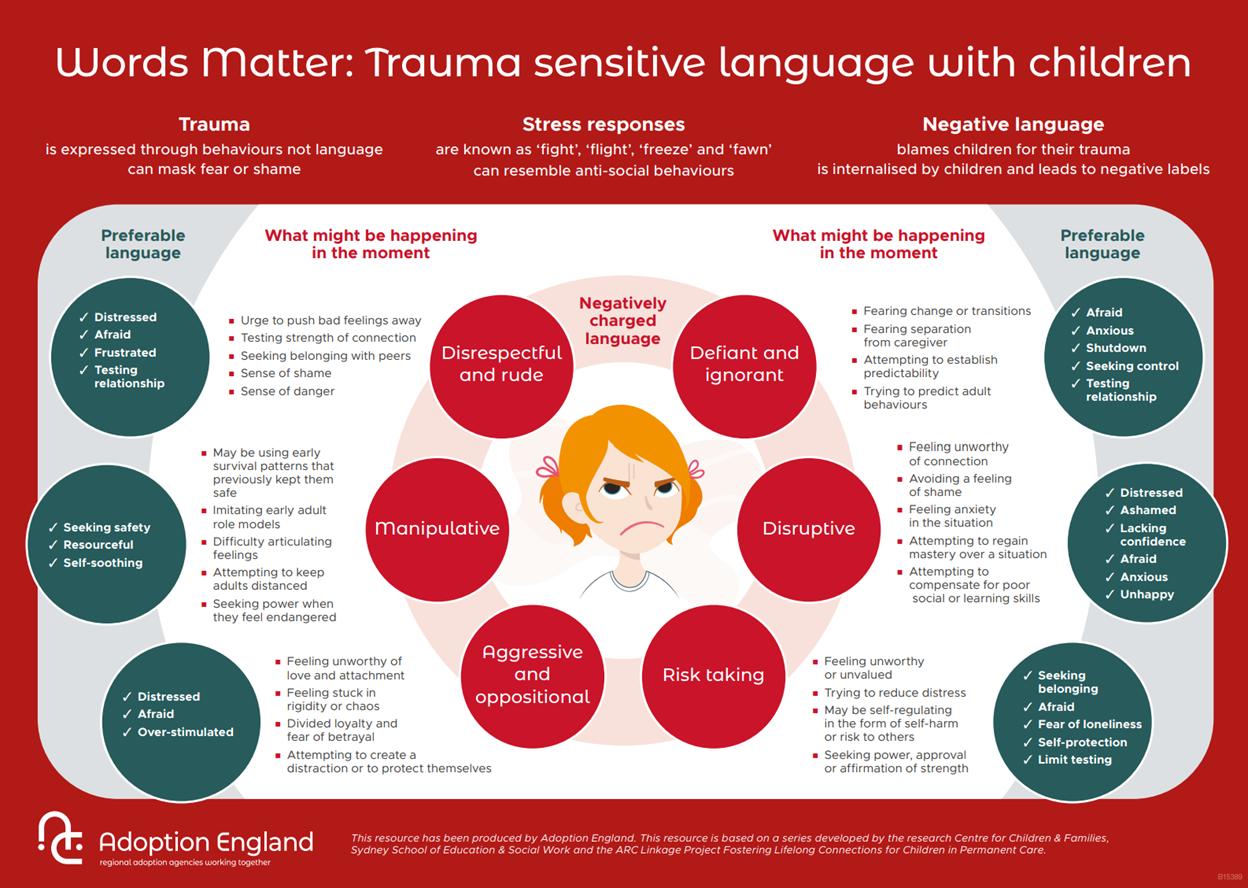
Words Matter: Trauma-sensitive language with children
This four-page resource is designed to help adoptive parents understand how trauma may be expressed by adopted children, sometimes through behaviours that appear challenging or anti-social. These behaviours are often a child’s way of communicating distress, fear, or unmet emotional needs.
The guide offers:
- Insights into how trauma can affect behaviour and communication
- Practical advice on using language that is gentle, respectful, and emotionally safe
- Examples of phrases to avoid, and suggestions for more supportive alternatives
- Guidance on how to speak with children in ways that build trust and connection
Using trauma-sensitive language helps children feel seen, heard, and understood, and supports their emotional regulation and healing. Words have power and when used with empathy and care, they can strengthen relationships and promote a child’s sense of safety and self-worth.
Words Matter: Trauma-sensitive language with children (PDF, 236 KB)
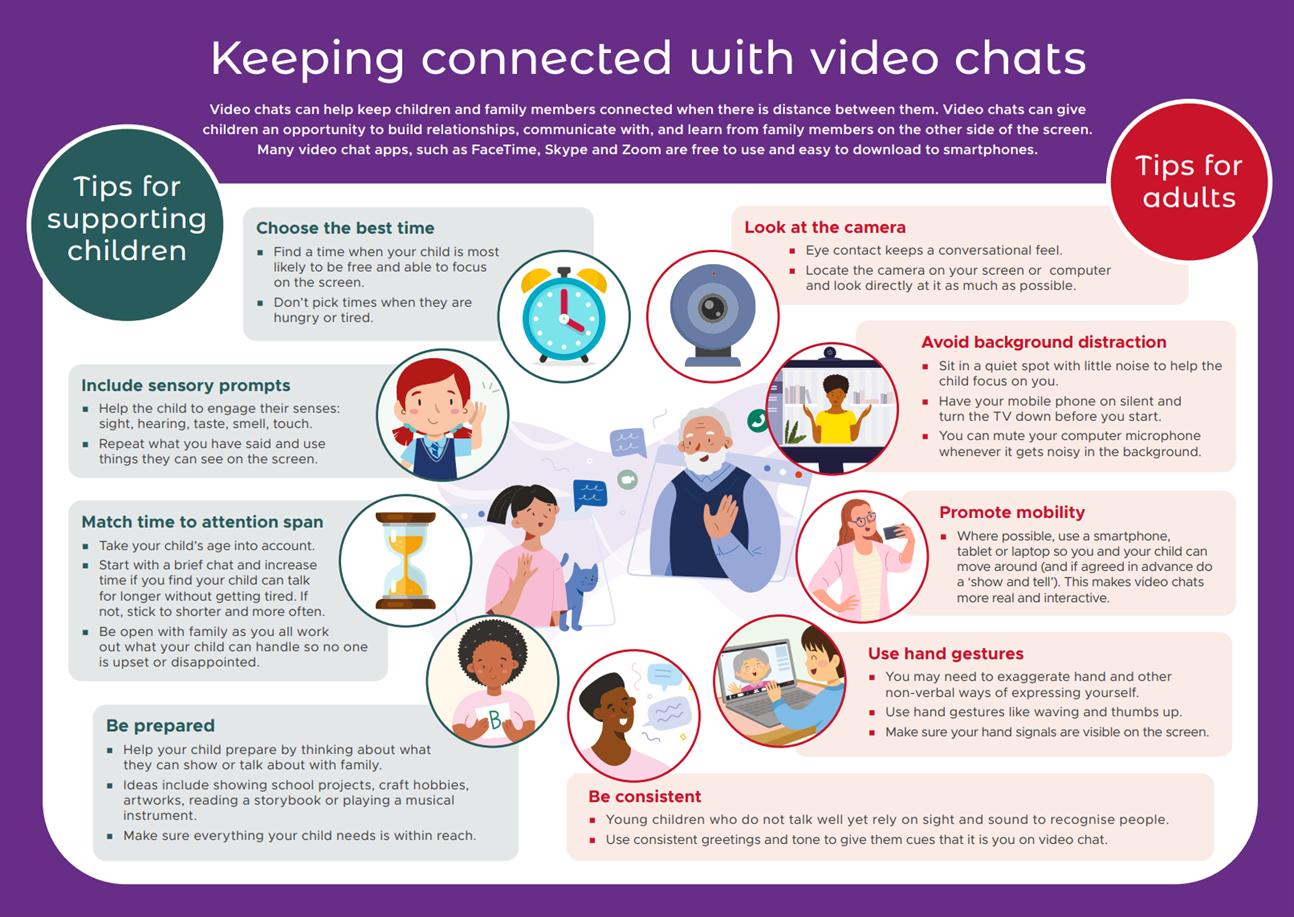
Keeping connected with video chats
Video chats can be a helpful way for adopted children to maintaining relationships with birth relatives, especially when distance makes in-person contact difficult. These virtual meetups can give children the chance to build relationships, share experiences, and learn more about the people who are important to them.
This resource offers:
- Practical tips for adoptive parents on preparing for and managing video chats
- Guidance on how to support children emotionally before, during, and after the call
- Suggestions for making video chats meaningful, such as sharing stories, showing drawings, or celebrating milestones together
Video chats can be a powerful tool for connection when approached with empathy, structure, and sensitivity to the child’s emotional needs.
Keeping connected with video chats (PDF, 788 KB)
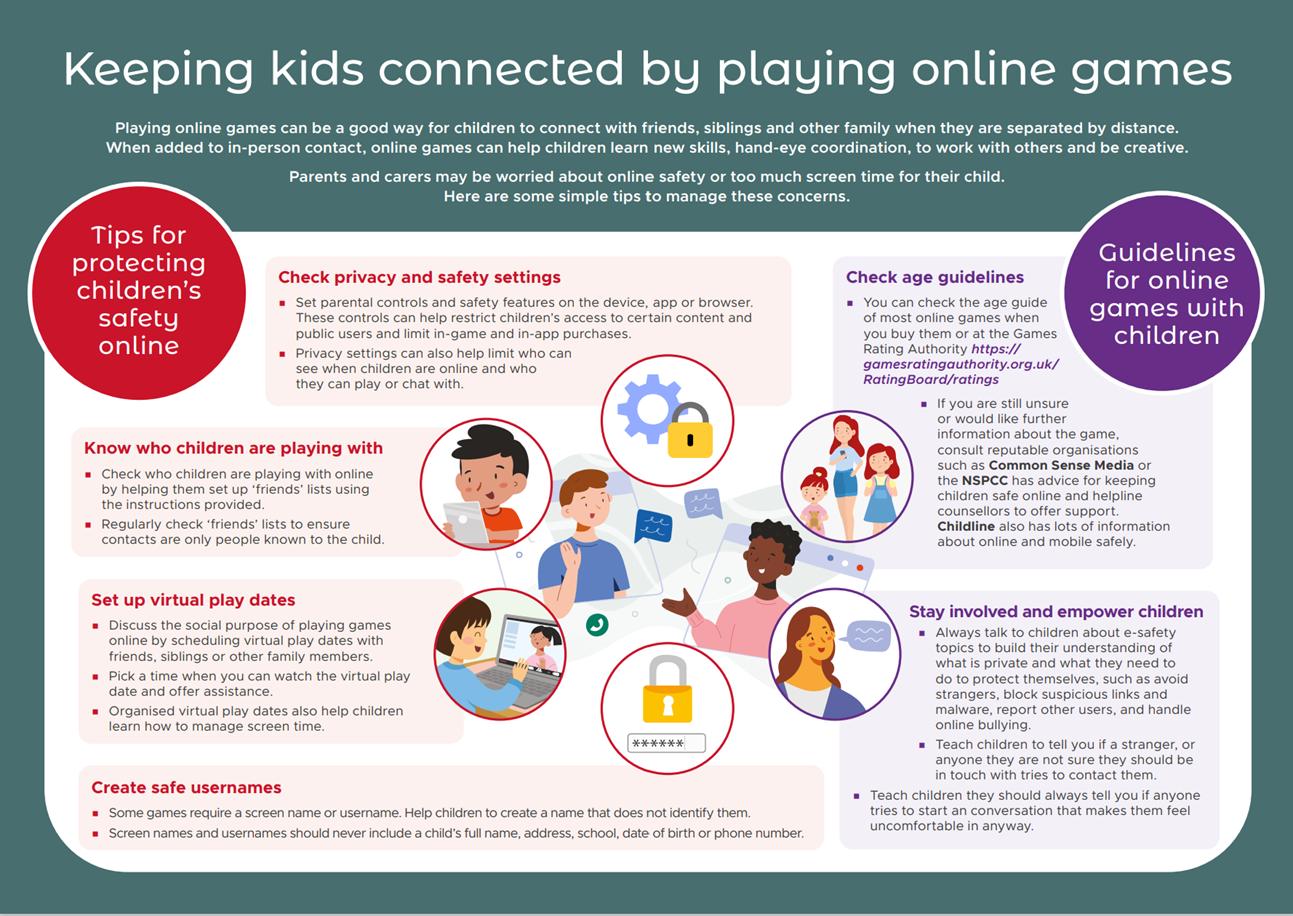
Keeping connected through online games
Online games can be a fun and engaging way for adopted children to stay in touch with siblings, friends, and birth relatives, especially when face-to-face contact isn’t possible. These shared experiences can help children build relationships, communicate, and feel connected to people who matter to them.
This resource offers:
- Simple tips for adoptive parents to manage concerns around online safety and screen time
- Advice on choosing age-appropriate games that encourage positive interaction
- Guidance on supporting children emotionally before, during, and after online play
- Suggestions for using games to strengthen bonds, such as playing together or sharing achievements
With the right support and boundaries, online gaming can be a meaningful way for children to connect, have fun, and feel close to their birth family members.
Keeping connected through online games (PDF, 731 KB)
Ten simple child and family-friendly online games
This resource explores ten popular online games that can help children stay connected with siblings, friends, and birth relatives in a fun and engaging way. It’s designed to help adoptive parents:
- Understand the games their children enjoy
- Choose safe and age-appropriate options
- Play alongside their child to strengthen bonds
- Use gaming as a tool for connection and communication
Each game is accompanied by a short summary, including what it’s about, why children enjoy it, and how it can support relationships. Whether you're new to online gaming or looking for fresh ideas, this guide makes it easy to find games that are both enjoyable and emotionally supportive.
10 Simple Child and Family Friendly Online Games (PDF, 300 KB)